A Technical Exchange with a leading Food Contact Material Testing Center in Europe
Recently, our team visited a valuable European laboratory specializing in food contact material testing (overall migration testing).
The visit created a valuable opportunity for in-depth discussions on laboratory workflows, the evolving role of automation inconstant weight determination, and the shared potential for future collaboration built on complementary strengths.
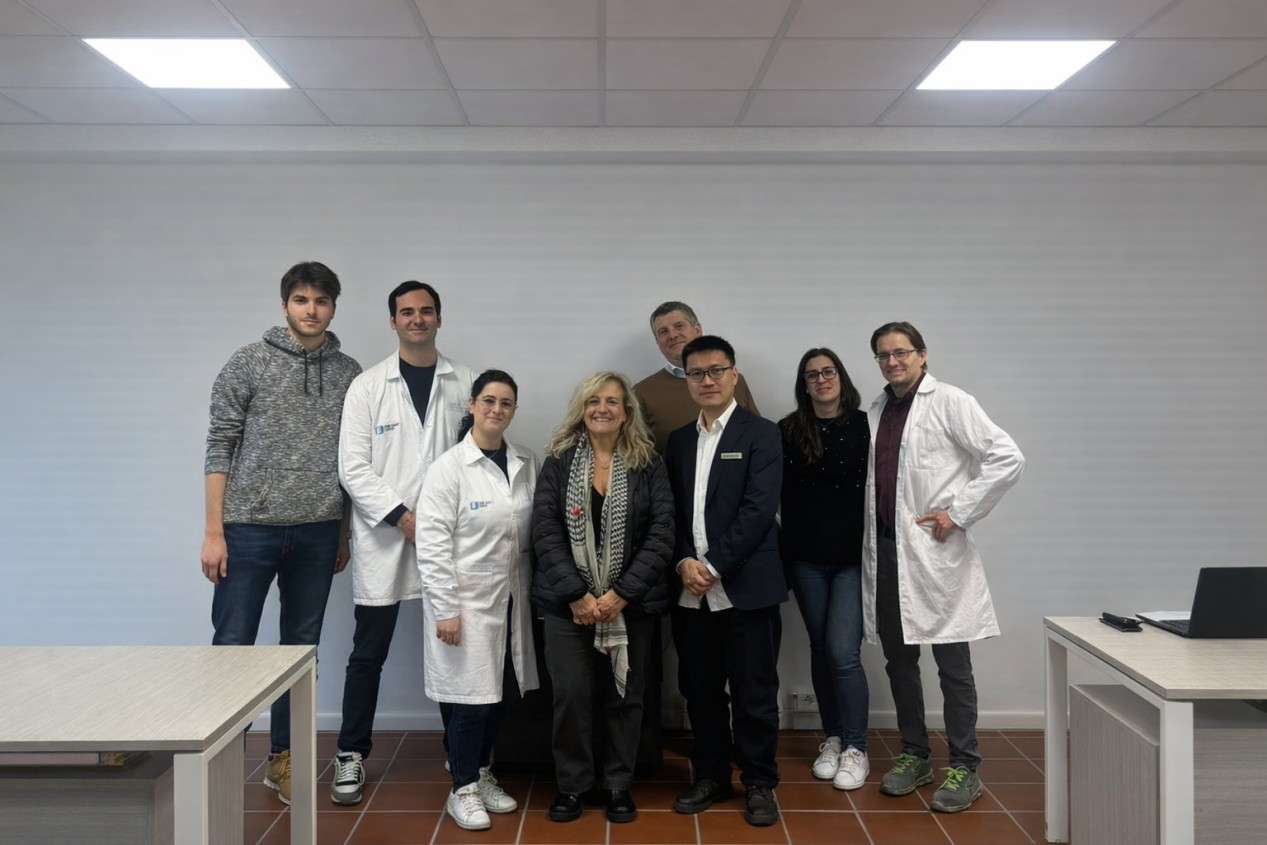
Specialized testing laboratories bring deep expertise in regulatory interpretation, method validation, and technical reporting, supported by active participation in industry discussions and standardization activities.
Instrument manufacturers, meanwhile, contribute through automation engineering, workflow integration, and data-driven system optimization.
Progress in food contact materials (FCMs) & overall migration testing often emerges at the intersection of these strengths. Open technical dialogue helps align laboratory experience with engineering innovation, supporting more structured, efficient, and competitive compliance practices.
Rethinking Constant Weight Determination
Constant weight testing including residue on evaporation, residue on ignition, loss on drying, and water insoluble matter determination remains a cornerstone of food and pharmaceutical analysis.
Traditional workflows often involve repeated weighing, extended evaporation and cooling, drying cycles, and significant operator involvement. These processes can be labor-intensive, may introduce variability through manual handling, and can expose operators to solvent environments.
As laboratories manage increasing sample volumes and tighter compliance expectations, structured automation is becoming an important direction for improving efficiency and ensuring consistent performance.
Integrated Automation Solutions
Labthink’s automated constant weight testing portfolio includes:
C840 – Integrated Automated Residue on Evaporation Testing Systems
C850 – Integrated Automated Water Insoluble Matter Testing System
C860 – Integrated Automated Residue on Ignition Testing System
C870 – Integrated Automated Losson Drying Testing System
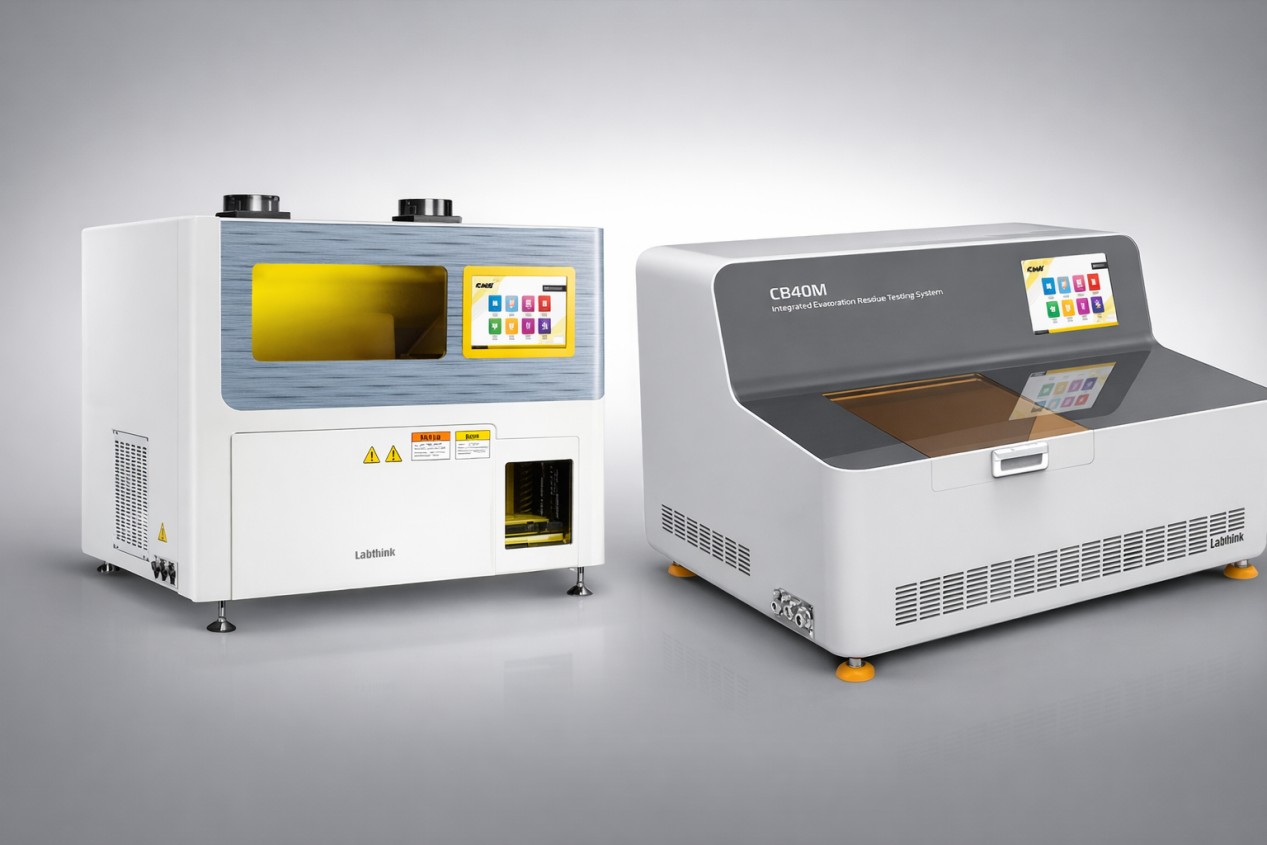
By integrating weighing empty cups, evaporation/ignition, weighing residues, and monitoring into a coordinated workflow, these systems help laboratories improve operational efficiency, enhance repeatability, reduce manual intervention, and minimize exposure to harmful solvents.
Automation in this context is not merely a technological upgrade, it represents a step toward safer, more standardized, and more competitive laboratory operations.
Continuing the Dialogue
Technical exchanges such as this highlight the value of ongoing communication within the food contact material testing field.
As regulatory frameworks and testing expectations continue to evolve, open dialogue between laboratories and technology providers remains essential for advancing practical innovation and supporting the next generation of automated compliance testing solutions.


Comments
Post a Comment